Request a call
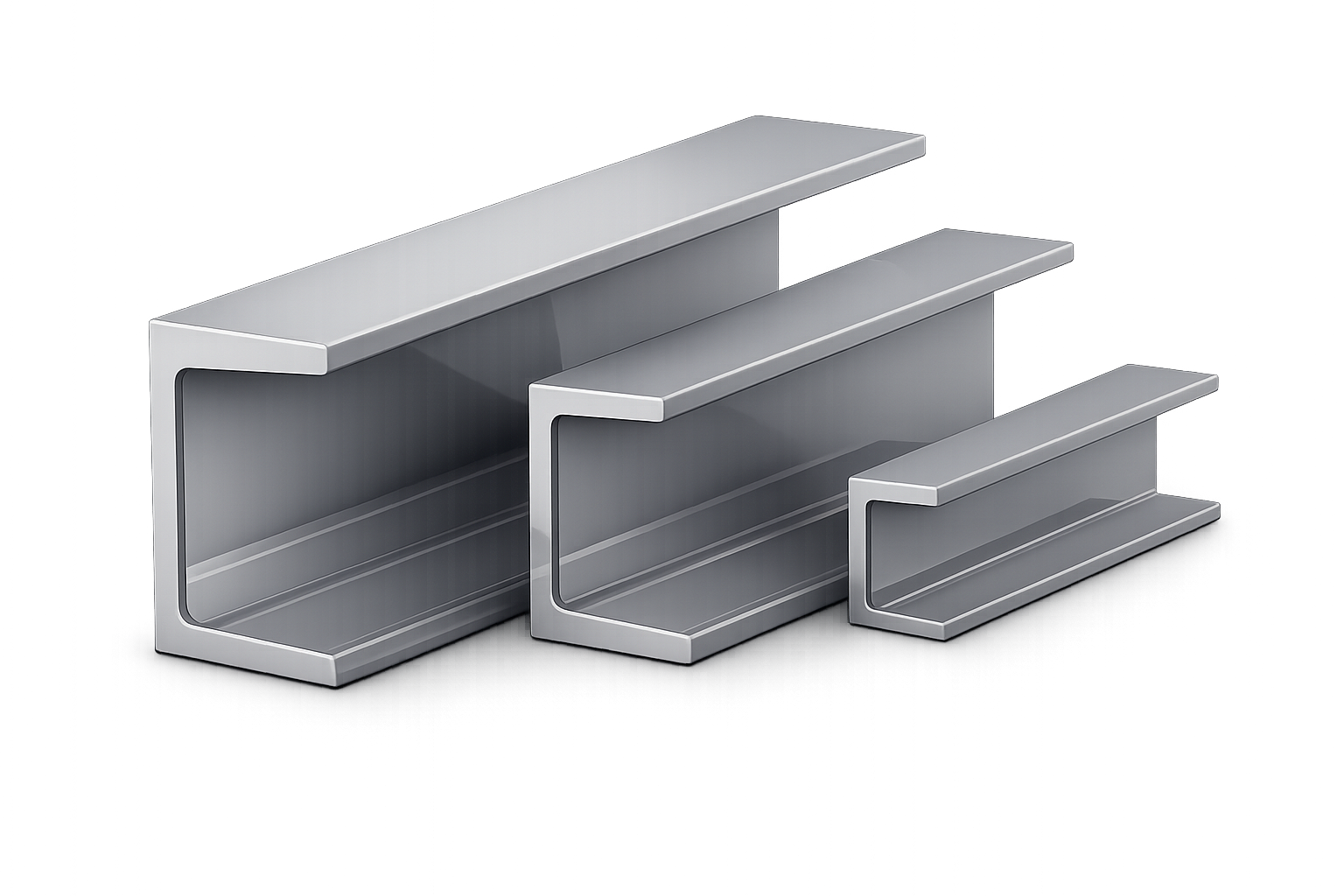
A metal channel section can be distinguished from other types of shaped long products by its characteristic P-shaped profile. The steel profile may vary in geometric dimensions, shape and other design features, depending on the range of rolled steel products.
-
Manufacturing
Production of Metal Channels
All metal channels produced by metallurgical plants can be conventionally divided into two main types: hot-rolled and bent on profile-rolling or section-rolling mills.
Depending on the production technology and purpose, channels are distinguished as follows:
General-purpose hot-rolled steel – the steel billet is heated to the required temperature and then passed through the rolls of the rolling mill. Hot-rolled channels do not accumulate internal stress, and the profile is resistant to mechanical impacts such as shocks, bending, and compression.
Special-purpose hot-rolled – produced for various industries and standards, such as automotive, railcar manufacturing, etc. Special shaped profiles may differ in shape, dimensions, and steel composition from standard general-purpose channels.
Bent steel – the metal profile is manufactured without heating using cold profiling technology on profile-bending machines or sheet-bending machines. A steel strip of specific dimensions is used as the billet, which is bent under cold pressure, resulting in internal stress in the finished product, limiting the application of the rolled steel.
The advantages of bent profiles include:
- lower profile weight compared to hot-rolled channels;
- mechanical strength and rigidity of the structure;
- bolt fasteners are suitable for connecting structures made of cold-rolled channels;
- higher surface quality of shaped cold-rolled steel;
- low production cost and, accordingly, lower price of rolled steel;
- quick adjustment of equipment for different profiles.
-
Uses
Field of Application
The main areas of application for rolled steel are construction and heavy industry:
- frames for cars, trolleys, and railway rolling stock;
- reinforcement of walls, roofs of buildings and structures;
- embedded elements in reinforced concrete structures;
- shipbuilding, machine tool manufacturing, and mechanical engineering;
- spanning long spans and assembling metal structures;
- manufacture of ramps, partitions, frames, stairs, gates;
- furniture production, landscaping interiors, and more.
-
Advantages
Advantages of Rolled Steel
Steel channels are highly demanded in construction and industry due to their physical and mechanical properties:
- high bending and torsional strength;
- resistance to longitudinal and transverse loads;
- mechanical wear resistance and durability;
- lower weight compared to steel square bars or I-beams;
- easy installation and mechanical processing (cutting, drilling, welding);
- wide product range for diverse applications;
- convenient transportation and storage;
- optimal price of rolled steel.
-
Features
Main Characteristics: How to Choose Channels Wholesale
To correctly choose a channel, it is necessary to first calculate the geometric dimensions of the flange and web, the section modulus, moment of inertia, and allowable bending and torsional loads, and then compare these calculations with the technical specifications of the rolled steel indicated in the standard.
Main characteristics of channels:
- Production method;
- Product range;
- Size type;
- Reference values for axes.
To correctly purchase channels wholesale in the required quantity, you can use the online calculator or consult with a LEART company specialist.
-
Order
Buy Channels Wholesale at an Affordable Price at LEART
The international company LEART offers channels at dealer prices, available for bulk and small wholesale with delivery.